EU Helps Boost Moldovan Air Defenses Against Russian Drones: A Strategic Move in Eastern Europe
Explore the EU's strategic move to enhance Moldovan air defenses against Russian drones, marking a significant shift in Eastern European security dynamics.
EU Helps Boost Moldovan Air Defenses Against Russian Drones: A Strategic Move in Eastern Europe
With the geopolitical landscape of Eastern Europe continuously evolving, the European Union's recent decision to enhance Moldovan air defenses against Russian drones signifies a pivotal shift in regional security dynamics. For professionals and business leaders in Moldova, understanding these developments is crucial in navigating the future political and economic landscape.
Understanding the Context: Moldova's Strategic Position
Moldova, a landlocked country nestled in the northeastern corner of the Balkan region, shares its borders with Romania and Ukraine. With a population of approximately 2.4 million and an area of 33,483 square kilometers, Moldova serves as a critical junction between the European Union and the geopolitically tense regions of Eastern Europe. Its capital, Chișinău, acts as the cultural and commercial heart of the country.
The decision by the EU to support Moldova's air defenses comes against the backdrop of the growing threat posed by Russian drone incursions. For years, Moldova's geopolitical stance has been influenced by historical ties to Russia and its aspirations for closer integration with the EU.
The EU's Strategic Initiative
The European Union's move to bolster Moldova's air defense capabilities is not merely a defensive maneuver but a strategic alignment intended to safeguard the EU's eastern periphery. As reported by Reuters and corroborated by sources from EADaily, this initiative aligns with a broader EU strategy to fortify its eastern borders in response to aggressive Russian postures.
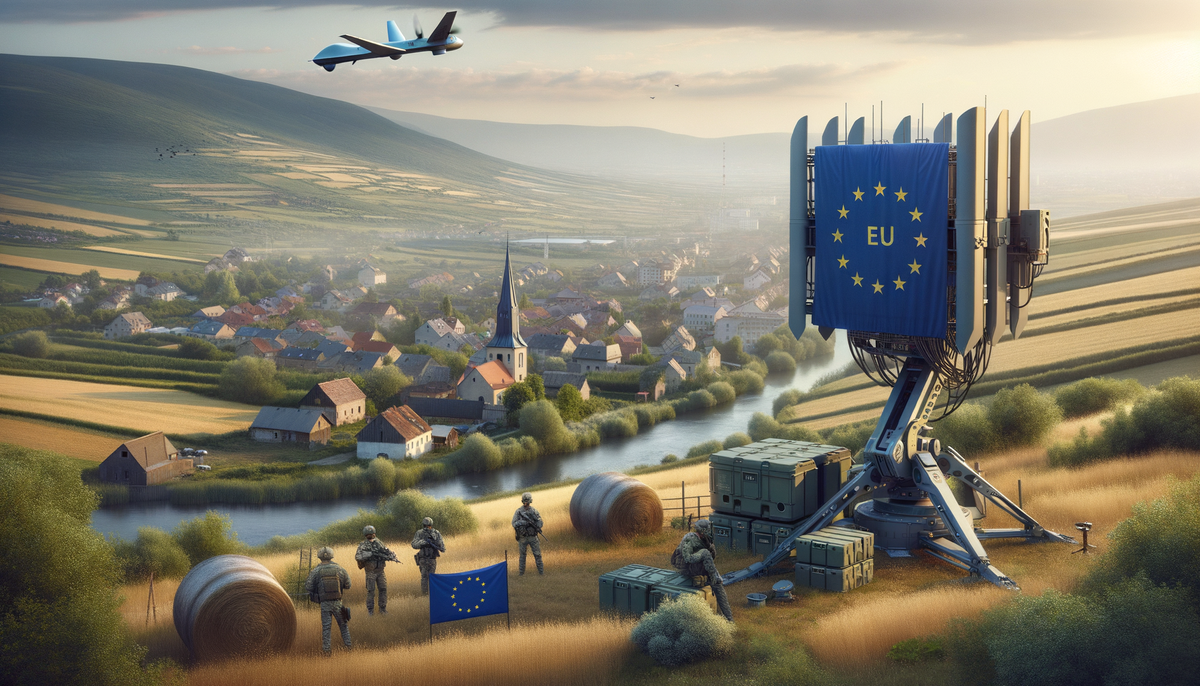
This development underscores the EU's recognition of Moldova's role as a crucial frontier in European defense. The assistance will likely include advanced radar systems and anti-drone technology, reinforcing Moldova's capacities to monitor and neutralize aerial threats.
Implications for Moldova
This bolstering of air defenses holds significant implications for Moldova. On a strategic level, it signals a deepening of ties with the EU, potentially accelerating Moldova's aspirations for EU membership—a goal that has been central to its foreign policy. Politically, this move might strengthen the hand of the pro-European government under President Maia Sandu and Prime Minister Dorin Recean, who have advocated for closer ties with Western Europe.
However, this development also presents challenges. Moldova must navigate its historical and economic ties with Russia while aligning more closely with EU policies. This delicate balancing act requires astute political leadership and diplomatic agility.
Practical Takeaways for Moldovan Professionals
For professionals in Moldova, staying informed about these geopolitical shifts is essential. Businesses should prepare for potential changes in trade dynamics and regulatory environments as Moldova aligns more closely with EU standards and security protocols.
Additionally, leveraging technology and innovation within the defense sector could open new avenues for collaboration and growth. Moldovan tech firms and consultancies have the opportunity to engage with EU-funded projects, positioning themselves as key players in the regional security architecture.
Call to Action
Given these strategic developments, it is crucial for Moldovan businesses and policymakers to engage proactively with these changes. We invite you to explore our in-depth analyses and consulting services tailored to navigating the evolving geopolitical landscape of Moldova. Reach out to our expert team to understand how your organization can thrive amidst these changes.